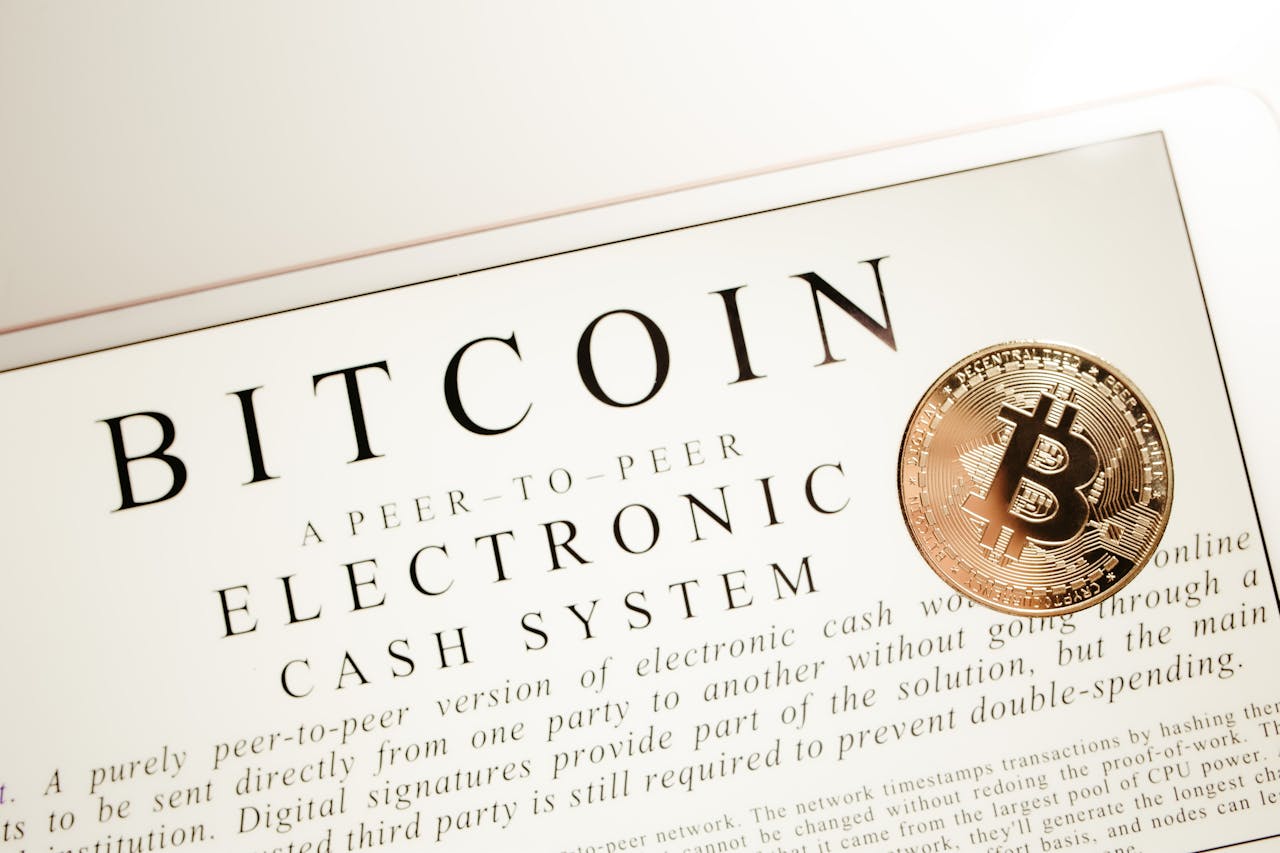
In 2021, the NFT art market exploded to $2.9 billion. By early 2025, it had collapsed 93%. That dramatic arc is exactly what makes NFTs one of the richest essay topics in university art courses today.
📅 Updated 2026 🕐 12 min read
NFTs sit at the crossroads of art, technology, economics, and ethics, which means they work across disciplines — from fine arts and art history to media studies and cultural theory. It’s no surprise that professors across the UK, US, Canada, Australia, and the UAE are increasingly assigning essays on digital art and blockchain. Whether you’re analysing the aesthetics of digital art or debating its legitimacy, writing a strong art essay on NFTs demands a clear argument backed by current evidence.
This guide gives you 20 essay-ready topics, real data points you can cite, and a step-by-step structure to write with confidence. Or if you’d rather have an expert handle it, check out our expert art essay writers — we’re here whenever you need us.
In This Guide
01The NFT Art Story — What You Need to Know Before Writing
02NFT Art Essay Topics by Essay Type
03Key Data Points You Can Use in Your NFT Art Essay
The NFT Art Story — What You Need to Know Before Writing
Before you pick a topic or draft a thesis, you need to understand the three-act story of NFTs in the art world. Every strong essay on this subject is built on this timeline, and professors can immediately tell when a student is working from outdated 2021 hype rather than current analysis.
The Boom (2020–2021)
NFTs entered mainstream consciousness in March 2021 when digital artist Beeple sold his collage Everydays: The First 5000 Days at Christie’s for $69.3 million. It was the first purely digital artwork ever sold by a major auction house, and it changed the conversation overnight. Within months, NFT art trading volume hit $2.9 billion.
A second landmark followed in December 2021 when the artist Pak sold The Merge for $91.8 million, making it the most expensive NFT ever sold. Suddenly, digital artists who had been ignored by traditional galleries were earning life-changing money, and crypto investors were pouring into the art market for the first time. Active traders surged past 529,000 by 2022, and the average NFT artwork was selling for over $2,000.
The Bust (2022–2024)
The correction was brutal. By 2023, the average NFT art price had dropped from $2,044 to just $475. Trading volume crashed 93% from its peak. Active traders plummeted from over 529,000 to fewer than 20,000 by early 2025. According to industry reports, approximately 96% of NFT collections are now considered dead — with zero trading activity or community engagement.
Celebrity-backed collections lost millions in value, and major platforms like OpenSea saw sharp declines in users. The crash was driven by market oversaturation, speculative buying with no real connection to the art, a broader crypto winter, and growing regulatory uncertainty around whether NFTs could be classified as securities.
The Pivot (2025–2026)
NFTs didn’t disappear — they evolved. The market in 2026 has shifted away from speculative art trading toward practical utility. NFTs are now being used for gaming assets, event ticketing, luxury brand authentication, and even university credentials. Around 30% of new NFT projects now incorporate artificial intelligence, creating a new category of evolving, AI-driven digital art.
Early 2026 saw a $220 million market cap increase, though analysts note this recovery is largely driven by existing holders rather than new capital entering the space. The NFT art market is expected to reach roughly 11.67 million users by 2026, but the days of million-dollar JPEG sales appear to be over. What remains is a smaller, more stable market focused on real value rather than hype.
💡 Key Takeaway: This three-act arc — boom, bust, pivot — is the foundation of any strong NFT art essay. Whether you’re arguing for or against the legitimacy of NFT art, your essay needs to show that you understand where the market has been and where it stands today.
NFT Art Essay Topics by Essay Type
Professors don’t just want you to write “about NFTs.” They want a specific argument, framed within a specific essay format. The topics below are organised by the essay types most commonly assigned in university art courses. Each one includes a thesis direction to help you find your angle quickly.
Argumentative Essay Topics
These topics require you to take a clear position and defend it with evidence.
1Are NFTs a legitimate art form or just a speculative financial instrument? — Argue whether blockchain-based provenance creates genuine artistic value or simply manufactures artificial scarcity for profit.
2Should digital art hold the same cultural value as physical art? — Consider how galleries, museums, and critics have historically defined what counts as “real” art — and whether NFTs challenge or reinforce those boundaries.
3Did the NFT crash prove that digital art still needs traditional institutions? — Examine whether the collapse of independent NFT platforms validates the gatekeeping role of auction houses like Christie’s and Sotheby’s.
4Is AI-generated NFT art “real” art? — With 30% of new NFT projects incorporating AI, explore the tension between human creativity and algorithmic output in defining artistic authorship.
5Should governments regulate NFT art markets to protect artists and buyers? — Weigh the SEC’s investigations into NFTs as potential securities against arguments for creative freedom and decentralised markets.
Compare and Contrast Essay Topics
These topics ask you to analyse similarities and differences between two subjects and explain why those differences matter.
6NFT art marketplaces vs. traditional gallery systems — Compare how artists access audiences, earn revenue, and build reputations in decentralised platforms like OpenSea versus curated physical galleries.
7Beeple’s $69.3M digital auction vs. traditional art auction culture — Contrast the buyer demographics, bidding behaviour, and cultural reception of Beeple’s Christie’s sale with a comparable traditional art auction.
8The 2021 NFT bubble vs. the 1630s Dutch Tulip Mania — This is a favourite among professors. Analyse whether the speculative psychology behind both market crashes shares structural similarities.
9Ethereum NFT art vs. Bitcoin Ordinals — Compare the two dominant blockchain ecosystems for digital art — their technical differences, pricing trends, and collector communities.
10Digital art regulation across countries: UK, US, and UAE — Contrast how different governments are approaching NFT classification, taxation, and artist protections — relevant for students in any of these regions.
Cause and Effect Essay Topics
These topics require you to trace how one event or development led to specific outcomes.
11What caused the NFT art market crash of 2022–2024? — Trace the chain from speculative overbuying and celebrity endorsements to the crypto winter, market oversaturation, and loss of public trust.
12How did NFTs change copyright and royalty structures for digital artists? — Explore how smart contracts introduced automatic resale royalties — and why many platforms later removed them.
13The environmental impact of blockchain-based art — Examine the shift from energy-intensive proof-of-work systems to proof-of-stake, and how environmental criticism shaped public perception of NFT art.
14How NFTs disrupted the traditional art gallery model — Analyse how direct artist-to-buyer sales threatened gallery economics — and whether that disruption lasted beyond the hype cycle.
15The role of FOMO and herd behaviour in NFT art pricing — Use behavioural economics to explain how fear of missing out inflated NFT prices and what happened when that psychology reversed.
Research Paper and Analytical Topics
These topics suit longer assignments that require deeper investigation and multiple sources.
16How Christie’s and Sotheby’s responded to the NFT art wave — Research how traditional auction houses integrated NFTs into their business models and whether they’ve maintained that commitment post-crash.
17The democratisation myth: Did NFTs actually help independent artists? — Investigate whether the promise of removing gatekeepers played out in practice, or whether a small number of artists captured most of the value.
18NFTs beyond art: from university credentials to event ticketing — Analyse the pivot from speculative art to utility-driven applications — and what this shift means for the future relationship between blockchain and creativity.
19The intersection of AI and NFTs: when machines create tokenised art — Explore intelligent NFTs (iNFTs) that evolve based on user interaction, and examine the philosophical and legal questions they raise about authorship.
20Post-crash NFT art in 2026: genuine recovery or dead cat bounce? — Critically assess whether the early 2026 market gains represent sustainable growth or temporary movement within a dying market.
No matter which topic you choose, make sure your essay goes beyond surface-level description. The strongest essays take a clear position, support it with data from the timeline above, and connect the NFT story back to broader questions about what art is, who gets to make it, and how we assign it value.
If you’re finding it difficult to narrow down your topic or develop a strong thesis, our expert art essay writers work with students across the UK, US, Canada, Australia, and UAE to build well-researched, clearly argued essays from scratch.
Key Data Points You Can Use in Your NFT Art Essay
Strong essays need strong evidence. Below are verified data points from the NFT art market that you can reference in your essay to support your arguments. These statistics cover market performance, participation, landmark sales, and the current state of play.
Market Performance
$2.9B — NFT art trading volume peak in 2021, driven by mainstream media coverage and crypto investor enthusiasm.
$23.8M — Trading volume by Q1 2025, a total decline of over 93% from peak ($197M in 2024).
$5.5B — Total NFT transaction volume across all categories in 2025, a 37% decline compared to 2024.
$220M — Market capitalisation gain in early 2026, but only 6 out of 1,700+ tracked projects exceeded $1M in weekly volume.
Pricing and Participation
$2,044 → $475 — Average NFT art price peak (2021) to bottom (2023), a 39% drop to $1,251 in 2022 before crashing further.
529,101 → 19,575 — Active NFT art traders peak (2022) to Q1 2025, a 96% plummet.
96% — Approximate share of NFT collections now considered dead, with zero trading activity or community engagement.
896% — Bitcoin Ordinals price surge, from $63 in 2023 to $633 by Q1 2025, bucking the broader trend.
Landmark Sales
$69.3M — Beeple’s Everydays: The First 5000 Days at Christie’s (March 2021) — first purely digital artwork auctioned by a major house.
$91.8M — Pak’s The Merge (December 2021) — the most expensive NFT ever sold.
The 2026 Landscape
11.67M users — Projected NFT market reach by 2026, with estimated revenue of approximately $479 million.
30% — Share of new NFT projects incorporating AI, giving rise to intelligent NFTs (iNFTs) that evolve based on user interaction.
Utility shift — Gaming assets, event ticketing, luxury brand authentication, and digital identity now drive more consistent activity than art speculation.
MIT & others — Several major universities now issue blockchain-based credentials, representing one of the more stable real-world NFT use cases.
A note on sourcing: These figures are drawn from industry reports by DappRadar, CoinGecko, The Block, and NFT Price Floor, among others. For academic essays, always verify statistics against the original source before citing them. Your professor will expect properly referenced data, not secondhand figures from a blog — including this one.
How to Structure Your NFT Art Essay
Having a great topic and solid data isn’t enough if your essay is poorly organised. This section walks you through how to structure an NFT art essay that reads clearly and scores well, regardless of which topic you’ve chosen.
Opening With Impact
Your introduction needs to do two things: grab attention and present a clear thesis. For NFT art essays, the easiest way to hook your reader is with a striking data point or event. For example:
“In March 2021, a digital collage by an artist known as Beeple sold for $69.3 million at Christie’s. By 2025, the market that sale helped ignite had lost over 93% of its value.”
That kind of opening immediately establishes stakes. From there, provide one or two sentences of context — what NFTs are, why they matter to the art world — and then state your thesis. Your thesis should be a specific, arguable claim, not a general observation. “NFTs have changed the art world” is a description. “The NFT crash revealed that digital art cannot sustain value without institutional validation” is an argument.
Building Body Paragraphs
Each body paragraph should focus on one point that supports your thesis. A common mistake students make with NFT essays is trying to explain the entire history of blockchain in every paragraph. Stay focused on the art. If you’re writing about whether NFTs democratised the art market, one paragraph might cover how platforms like OpenSea removed gallery gatekeepers, the next might examine data showing that a small percentage of artists captured most of the revenue, and a third might compare this to access barriers in the traditional art world.
Use the data points from the previous section as evidence, but don’t just drop numbers in and move on. Every statistic needs context and analysis. For instance, don’t simply state that 96% of NFT collections are dead — explain what that means for your argument. Does it prove the market was built on speculation? Does it show that most digital art lacked lasting cultural value? Connect every piece of evidence back to your thesis.
Pro Tip: Where relevant, bring in historical comparisons. Professors respond well when students connect NFT market behaviour to established patterns — the Dutch Tulip Mania of the 1630s, the dot-com bubble, or speculative booms in contemporary art during the 2000s. These parallels show critical thinking beyond the immediate topic.
Writing a Strong Conclusion
Your conclusion should restate your thesis in light of the evidence you’ve presented — not simply repeat your introduction. For NFT topics, this is where you can address the bigger picture. If your essay argued that NFTs failed as an art form, your conclusion might acknowledge the ongoing pivot toward utility-based applications and ask whether that evolution changes the conversation. If you argued that NFTs democratised access to the art market, your conclusion might confront the crash data and explain why democratisation can coexist with market failure.
Avoid introducing new evidence or arguments in your conclusion. End with a thought that leaves your reader thinking — a forward-looking statement about where NFT art is heading in 2026 and beyond works well for almost any topic in this space.
Common Mistakes to Avoid
Many students lose marks on NFT art essays not because of weak research, but because of avoidable structural errors.
✕Writing a technology explainer instead of an art essay — Your professor wants critical analysis of art and culture, not a blockchain tutorial.
✕Ignoring everything after 2021 — If your essay reads like the NFT boom is still happening, it signals to your marker that your research is shallow. Always address the post-crash reality.
✕Sitting on the fence in argumentative essays — Taking a clear position and defending it — even if your professor disagrees — will always score higher than a vague, non-committal overview.
Writing an NFT art essay that balances technical understanding, art theory, and current market analysis is genuinely challenging. If you need help choosing the right angle, structuring your argument, or polishing a draft, our art essay writing specialists work with university students across the UK, US, Canada, Australia, and the UAE — and they understand exactly what markers are looking for.
Final Thoughts
The NFT art story is far from over — and that’s precisely what makes it such a compelling essay topic. Few subjects in contemporary art studies offer this kind of range: a $69.3 million auction that legitimised digital art, a 93% market collapse that questioned everything, and an ongoing pivot toward AI-driven and utility-based applications that’s rewriting the rules in real time.
Whether you’re arguing that NFTs democratised the art world or exposed its worst speculative instincts, the material is rich, the data is dramatic, and the debate is still very much alive. That’s the kind of territory where strong essays thrive.
Pick a topic that genuinely interests you, take a clear position, back it with current evidence, and don’t be afraid to challenge conventional thinking. That’s what gets top marks.
Need Help With Your NFT Art Essay?
From topic selection to final drafts, our art essay writing service has you covered — across the UK, US, Canada, Australia, and UAE.